
Fashion
7 min read
How to Stay Warm and Comfortable in Tights During Cold Weather
October 26 , 2026
By Elijah Turner
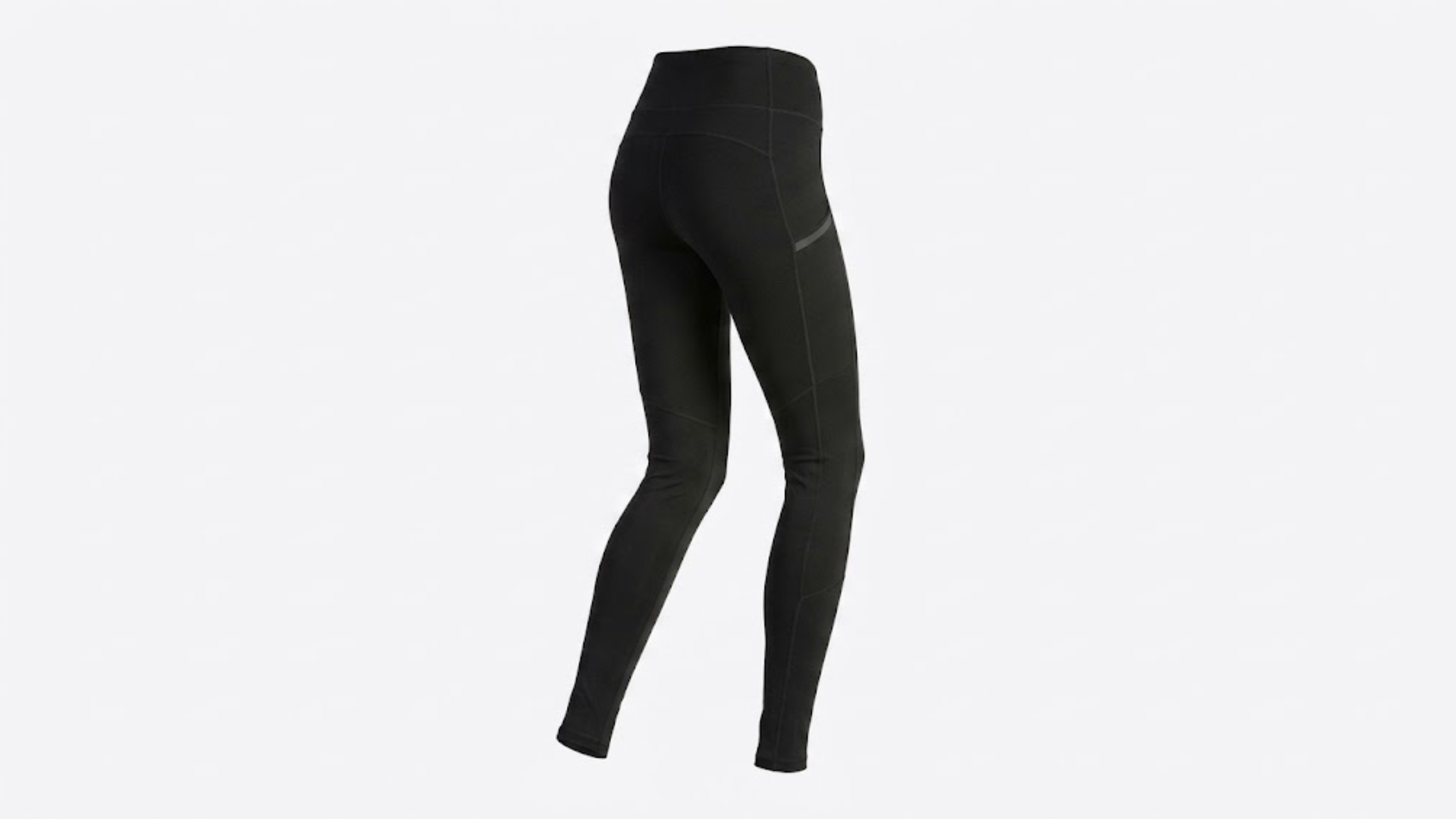
Discover how to stay warm and comfortable in tights during cold weather with strategic layering, breathable fabrics, and merino wool base layers from Ridge Merino US.
Cold weather can make getting dressed a daily challenge, especially when you want style without discomfort. Tights offer a practical way to wear dresses, skirts, and everyday outfits during colder months. However, thin fabrics, poor insulation, and uncomfortable materials can leave your legs cold throughout the day.Finding the right balance between warmth, comfort, and style requires more than choosing thicker tights. Your base layers, clothing materials, and everyday habits also influence how effectively you stay warm. Fortunately, a few simple changes can help you enjoy cold-weather outfits without sacrificing comfort.
Common Problems When Wearing Tights in Cold Weather
Many people experience similar problems when wearing tights during winter. Understanding these challenges helps you choose more effective solutions.
1. Tights That Feel Too Thin
Sheer tights create a polished appearance, making them popular for work, formal occasions, and everyday styling. However, their lightweight construction provides limited insulation when temperatures drop.Wearing sheer tights alone during freezing weather can leave your legs exposed to uncomfortable conditions. Although layering may help, consider the temperature and your overall outfit.
2. Uncomfortable Layers That Restrict Movement
Adding multiple clothing layers seems like an easy way to stay warm. Unfortunately, bulky fabrics can restrict movement, create pressure around the waist, and make everyday activities uncomfortable.Poorly fitting tights can also bunch around the ankles or slip throughout the day. These problems become especially frustrating when commuting, walking outdoors, or spending long hours at work.
3. Overheating Indoors
Winter clothing should protect you outdoors without making you uncomfortable inside. Heavy tights and thick trousers can trap excessive heat when you enter heated buildings.
Consequently, you may experience sweating, damp clothing, and discomfort throughout the day. Choosing breathable layers can help you manage changing temperatures more effectively.
Why Your Legs Feel Cold Despite Wearing Tights
Several factors influence how well your clothing protects you from cold weather.First, thin fabrics provide less insulation than thicker materials designed to retain warmth. Sheer tights generally prioritize appearance over thermal performance, so they may not provide enough protection during winter.Second, clothing that fits poorly can reduce comfort and make layering difficult. Tight garments may restrict movement, while loose materials can bunch and create uncomfortable pressure points.Finally, your base layer plays an important role in temperature regulation. Materials that manage moisture effectively can help prevent the clammy feeling associated with perspiration during physical activity.Understanding these factors makes it easier to build a practical cold-weather wardrobe.
Practical Ways to Stay Warm Without Sacrificing Style
You do not need to replace your entire wardrobe to improve winter comfort. A few thoughtful adjustments can make your existing clothes more versatile.
Choose Tights According to the Weather
Start by matching your tights to the temperature and occasion. Lightweight options work well indoors or during mild weather, while thicker, opaque tights generally provide greater coverage and warmth.Sheer tights remain useful for professional outfits, parties, and occasions where you prefer a delicate appearance. During colder conditions, consider wearing them beneath longer skirts or dresses with additional insulating layers.Always check the garment's material, thickness, and intended use rather than relying on appearance alone.
Layer Your Clothing Strategically
Effective layering starts with a comfortable base layer, followed by insulating clothing and an appropriate outer layer.For example, a thermal base layer beneath trousers can help retain warmth during outdoor activities. You can then add a coat or weather-resistant outerwear to protect against wind and cold.When wearing tights, consider pairing them with warm socks, insulated boots, and longer coats. These additions can improve overall comfort without requiring excessively thick legwear.
Prioritize Breathable Materials
The right fabric can make a noticeable difference in cold weather. Some synthetic materials dry quickly, while natural fibers can offer useful insulation and moisture management.
A merino wool base layer is worth considering if you spend considerable time outdoors or frequently move between different temperatures. Merino wool provides insulation, helps manage moisture, and generally feels softer against the skin than traditional coarse wool.Choose a comfortable fit that allows natural movement without excessive tightness. This approach helps you build a more effective layering system for everyday wear and outdoor adventures.
Keep Your Feet and Core Warm
Your overall clothing system matters just as much as your tights themselves. Warm socks, suitable footwear, and insulated outerwear help protect you against cold conditions.Additionally, choose gloves, scarves, and hats when necessary. Keeping your body comfortably insulated can make winter outfits more practical and enjoyable.
Why a Merino Wool Base Layer Can Be a Smarter Investment
If ordinary winter clothing never seems warm enough, upgrading your base layer may offer a more effective solution than continually adding extra garments.A merino wool base layer helps regulate comfort by providing insulation while managing moisture. This combination makes it useful for hiking, travelling, commuting, and other activities that involve changing temperatures.Unlike relying exclusively on heavy tights, a quality base layer supports a more flexible clothing system. You can adjust your outer layers according to the weather while maintaining a comfortable foundation.For shoppers exploring premium outdoor clothing, Ridge Merino US offers merino wool apparel designed for active lifestyles and everyday layering. Its product range can be worth exploring if you want versatile clothing that supports comfort in cooler conditions.Before purchasing, compare fabric composition, garment weight, fit, and care instructions. The best option should suit your climate, activity level, and budget rather than simply carrying a premium price.
Benefits of Upgrading Your Cold-Weather Clothing
Investing in well-designed base layers can improve everyday comfort in several ways.
- Better temperature management: Insulating fabrics help retain warmth while moisture management supports comfort during movement.
- More versatile outfits: A reliable base layer allows you to adapt clothing combinations for commuting, outdoor activities, and casual occasions.
- Less dependence on bulky clothing: Effective layering can reduce the need to wear several heavy garments simultaneously.
- Greater everyday comfort: Suitable fabrics and comfortable fits help minimize irritation, bunching, and the inconvenience of poorly chosen layers.
- Potential long-term value: Well-maintained garments may remain useful across multiple seasons. However, durability depends on construction, fabric quality, washing practices, and frequency of use.
Ridge Merino US is one option to consider when comparing premium merino wool clothing. Focus on the features that address your actual needs instead of paying for benefits you may rarely use.
How to Build a Practical Winter Wardrobe
A versatile winter wardrobe does not need dozens of specialized garments. Start with a few dependable essentials that work together.Consider keeping lightweight tights for formal occasions, thicker tights for colder days, and a comfortable merino wool base layer for outdoor activities. Add insulating socks, suitable footwear, and weather-appropriate outerwear to complete your clothing system.Check garment labels before layering different fabrics, particularly when combining delicate tights with heavier materials. Wash each item according to its care instructions to help preserve its shape and performance.If you frequently experience cold weather, evaluate your wardrobe based on the activities you perform most often. Someone who spends hours outdoors may benefit more from thermal base layers than someone who primarily works inside heated buildings.Ridge Merino US may be a useful starting point for comparing merino wool options that fit your lifestyle. Taking time to evaluate materials and intended uses can help you make a more informed purchase.
Conclusion: Stay Warm Without Compromising Comfort
Staying comfortable in cold weather involves more than choosing thicker tights. The right fabrics, thoughtful layering, and suitable clothing combinations can help you balance warmth, breathability, and personal style.Sheer tights remain a practical choice for lighter outfits and formal occasions, while thicker tights offer additional coverage during colder conditions. Meanwhile, a merino wool base layer provides another option for managing comfort during outdoor activities and changing temperatures.Start by identifying the situations where your current wardrobe falls short. Then compare materials, fits, and features that address those specific problems. With a few well-chosen essentials, you can build a more comfortable winter wardrobe and make smarter clothing decisions throughout the season.
live smarter
Shop smarter, live better, and stay ahead of the trends with our reliable recommendations!

Home and Garden
8 min read
Shed Foundation Gravel Base vs Concrete Slab for Shed: How to Choose the Right Shed Base


trending
Home and Garden
7 min read
How Custom Curtains and Blackout Curtains Can Transform Your Home
Fashion
7 min read
How to Choose Women’s Dresses and Clothing That Make Getting Dressed Easier
Travel
7 min read
How to Plan the Perfect Getaway: Colorado Hiking, Costa del Sol, and a New York Itinerary
Health and Beauty
6 min read
How to Choose the Right Beauty Treatments for a Natural, Radiant Look
Fitness and Sports
7 min read
Electric Bike vs. Mountain Bikes: How to Choose the Right Ride for Your Lifestyle
Gadgets and Tech
7 min read