
Home and Garden
8 min read
Shed Foundation Gravel Base vs Concrete Slab for Shed: How to Choose the Right Shed Base
October 26 , 2026
By Mason Brooks
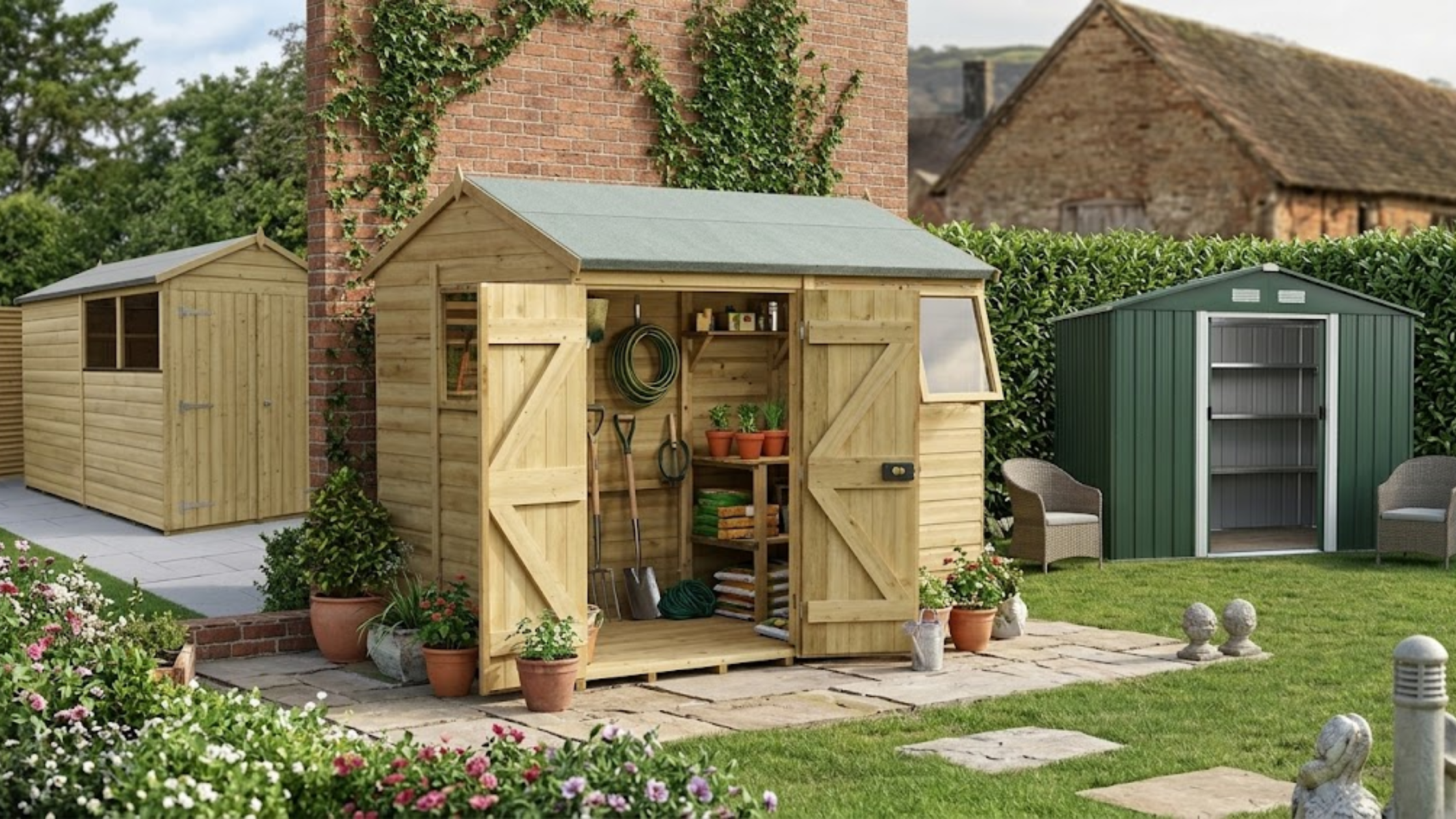
Compare a shed foundation gravel base vs a concrete slab for shed installation. Explore costs, drainage, durability, and benefits to choose the right shed base.
A shed that looks perfect on installation day can develop problems when you neglect its foundation. Uneven floors, standing water, shifting structures, and damp timber can turn a useful garden building into a frustrating maintenance project. Fortunately, choosing the right shed base can prevent many problems before they begin.Whether you're installing a small garden storage shed or a larger outdoor workshop, your foundation plays a crucial role in its stability and lifespan. Two popular options include a shed foundation gravel base and a concrete slab for shed installations. Both offer practical benefits, but your shed's size, intended use, budget, and garden conditions determine the best choice.Understanding these differences will help you make an informed decision and protect your investment for years to come.
Why Does Your Shed Need a Proper Base?
A shed needs more than a flat-looking patch of ground. Its foundation must support the structure's weight, maintain an even surface, and manage rainwater effectively.Without a suitable shed base, you may encounter several problems over time.
Uneven Floors and Structural Movement
Soft soil can settle beneath a shed, particularly after heavy rainfall or repeated moisture changes. Consequently, the building may tilt, doors might stop closing properly, and floorboards could become uneven.A properly prepared foundation distributes the shed's weight more consistently, reducing the risk of movement.
Dampness and Water Damage
Rainwater can collect around your shed when the ground drains poorly. Persistent moisture may damage timber components, encourage rot, and shorten the building's lifespan.Choosing a suitable shed foundation gravel base or concrete slab for shed installation can help manage these risks when you construct the foundation correctly.
Expensive Repairs
Fixing foundation problems after installing a shed often involves moving stored belongings, lifting the building, and rebuilding the base. Therefore, preparing the ground properly from the beginning can reduce these avoidable expenses.
What Causes Shed Foundation Problems?
Several factors contribute to unstable or poorly performing shed foundations.
- Poor ground preparation ranks among the most common causes. Installing a shed directly onto grass, loose soil, or an uneven surface allows the ground beneath it to shift.
- Inadequate drainage creates another challenge. Clay-heavy soil, low-lying garden areas, and locations where rainwater collects can leave the foundation exposed to prolonged moisture.
- Incorrect base selection can also cause difficulties. A lightweight storage shed may not require the same foundation as a substantial workshop containing heavy equipment.
Finally, insufficient compaction or an incorrectly levelled surface can undermine even a seemingly suitable foundation. Matching the base to your shed and preparing it carefully are essential steps.
Shed Foundation Gravel Base: A Practical and Flexible Option
A shed foundation gravel base offers homeowners an effective drainage option without the cost and permanence of poured concrete.Typically, this foundation requires you to excavate the installation area, prepare a stable subgrade, and add suitable compacted aggregate. Depending on the design, edging or a purpose-built support system can help contain the gravel.
Benefits of a Gravel Shed Base
Improved drainage: Water can move through appropriately graded aggregate instead of collecting against the shed's underside. However, drainage performance also depends on the underlying soil and surrounding landscape.
- Relatively straightforward installation: Many gravel foundations suit competent DIY projects, provided the ground conditions and shed requirements remain manageable.
- Flexible construction: Gravel bases accommodate different shed footprints and often prove easier to modify than permanent concrete foundations.
- Potentially lower upfront costs: Gravel may cost less than concrete, particularly when you prepare the site yourself and source suitable aggregate locally.
How to Prepare a Gravel Base
Start by selecting a well-drained location with sufficient clearance around the shed for maintenance. Mark the footprint and excavate the area to the depth required for the soil conditions and foundation design.Remove vegetation and unsuitable material before compacting the subgrade. Where appropriate, install a suitable geotextile membrane to separate the soil from the aggregate.Add suitable crushed stone or compactable sub-base material in manageable layers. Compact each layer thoroughly, then check the finished surface for levelness. Follow the shed manufacturer's foundation requirements throughout the process.For larger buildings or challenging ground, seek professional guidance to ensure the foundation provides adequate support.
Concrete Slab for Shed: When Is It the Better Choice?
A concrete slab for shed installation provides a firm, durable surface that works particularly well for larger buildings, workshops, and storage spaces containing heavier equipment.Unlike loose aggregate, concrete creates a continuous foundation when you design it properly, reinforce it where necessary, and install it on a suitable sub-base.
Benefits of a Concrete Shed Base
- Strong, stable support: A correctly designed slab distributes loads effectively and provides a solid platform for suitable shed structures.
- Long-term durability: Properly installed concrete can withstand substantial use, although cracking, settlement, and surface deterioration remain possible.
- A solid floor: Concrete provides a practical surface for moving equipment, storing heavy items, and carrying out workshop activities.
- Reduced routine surface maintenance: Concrete generally requires less frequent levelling and replenishment than loose gravel.
What Should You Consider Before Installing Concrete?
Concrete typically involves greater preparation, material costs, and installation effort than a simple gravel base. You must also consider curing time, site access, ground conditions, and local requirements.Drainage deserves particular attention. A poorly designed slab can direct water towards the shed or allow moisture to affect the structure. Therefore, design the foundation to suit the building and surrounding ground levels.Concrete also offers less flexibility for modifications once installed. Confirm the shed dimensions, access requirements, and intended use before committing to this option.
Gravel Base vs Concrete Slab: Which Should You Choose?
The right shed base depends on your priorities, including cost, drainage, durability, and intended use. A gravel foundation often costs less and provides good drainage with suitable aggregate and ground conditions. It is also often DIY-friendly, although load support depends on compaction, design, and ground conditions. However, gravel may require occasional levelling or replenishment, and you can modify or replace it more easily.In contrast, a concrete slab usually costs more and may require specialist installation. It needs careful surface and site drainage design, while its load support depends on slab design and ground preparation. Additionally, concrete may require crack or surface repairs over time, but it offers a more permanent foundation. Many workshops and buildings designed for heavier use may benefit from a suitable concrete slab.For many standard garden sheds, a properly prepared gravel foundation offers a practical balance of stability, drainage, and affordability. However, a concrete slab may suit buildings that require a solid floor or accommodate heavier loads. Always check the manufacturer's installation instructions before choosing either option.
Upgrade Your Shed Setup With a Better Foundation Plan
Choosing quality materials and planning your installation carefully can make your shed more reliable over time. Instead of selecting a foundation solely by its initial price, consider installation costs, future maintenance, and the building's intended lifespan.A well-planned shed purchase also helps you make informed decisions. Buy Sheds Direct UK offers a useful starting point for exploring garden buildings and considering how your chosen shed will fit your available space.Before purchasing, confirm the building's dimensions, recommended foundation type, floor construction, and anchoring requirements. These details help you select a shed base that supports the structure properly rather than relying on guesswork.Also, consider installation access, nearby drainage, and the space needed to maintain the building. Planning these details alongside your shed selection can help prevent expensive changes later.
How the Right Shed Base Improves Long-Term Value
A suitable foundation does more than keep a shed level. It helps create a dependable space for storing gardening tools, organising outdoor equipment, or enjoying hobbies.A well-prepared shed foundation gravel base can reduce drainage-related problems and provide a practical installation option for many gardens. Meanwhile, a correctly designed concrete slab for shed use can deliver a durable, solid surface when the building's requirements justify the additional investment.Both options can perform well when you match them to the site and install them correctly. Neither automatically guarantees a maintenance-free shed, so regular inspections and sensible water management remain important.Buy Sheds Direct UK can support your research when you compare suitable garden buildings and plan your installation. Reviewing the shed's requirements before buying will help you make a more confident foundation decision.
Conclusion: Choose a Foundation That Works for Your Garden
The best shed base supports your building, manages local ground conditions, and fits your budget and intended use.A gravel foundation often suits homeowners seeking straightforward installation, effective drainage, and flexibility. Conversely, a concrete slab may suit workshops, heavier equipment, or buildings that need a solid floor.Take time to assess your garden, compare installation requirements, and check the manufacturer's recommendations before deciding. With careful preparation and suitable materials, you can create a stable foundation that helps your shed remain useful for years to come.
live smarter
Shop smarter, live better, and stay ahead of the trends with our reliable recommendations!






trending
Home and Garden
7 min read
How Custom Curtains and Blackout Curtains Can Transform Your Home
Fashion
7 min read
How to Choose Women’s Dresses and Clothing That Make Getting Dressed Easier
Travel
7 min read
How to Plan the Perfect Getaway: Colorado Hiking, Costa del Sol, and a New York Itinerary
Health and Beauty
6 min read
How to Choose the Right Beauty Treatments for a Natural, Radiant Look
Fitness and Sports
7 min read
Electric Bike vs. Mountain Bikes: How to Choose the Right Ride for Your Lifestyle
Gadgets and Tech
7 min read