
Fitness and Sports
7 min read
Electric Bike vs. Mountain Bikes: How to Choose the Right Ride for Your Lifestyle
October 26 , 2026
By Elijah Turner
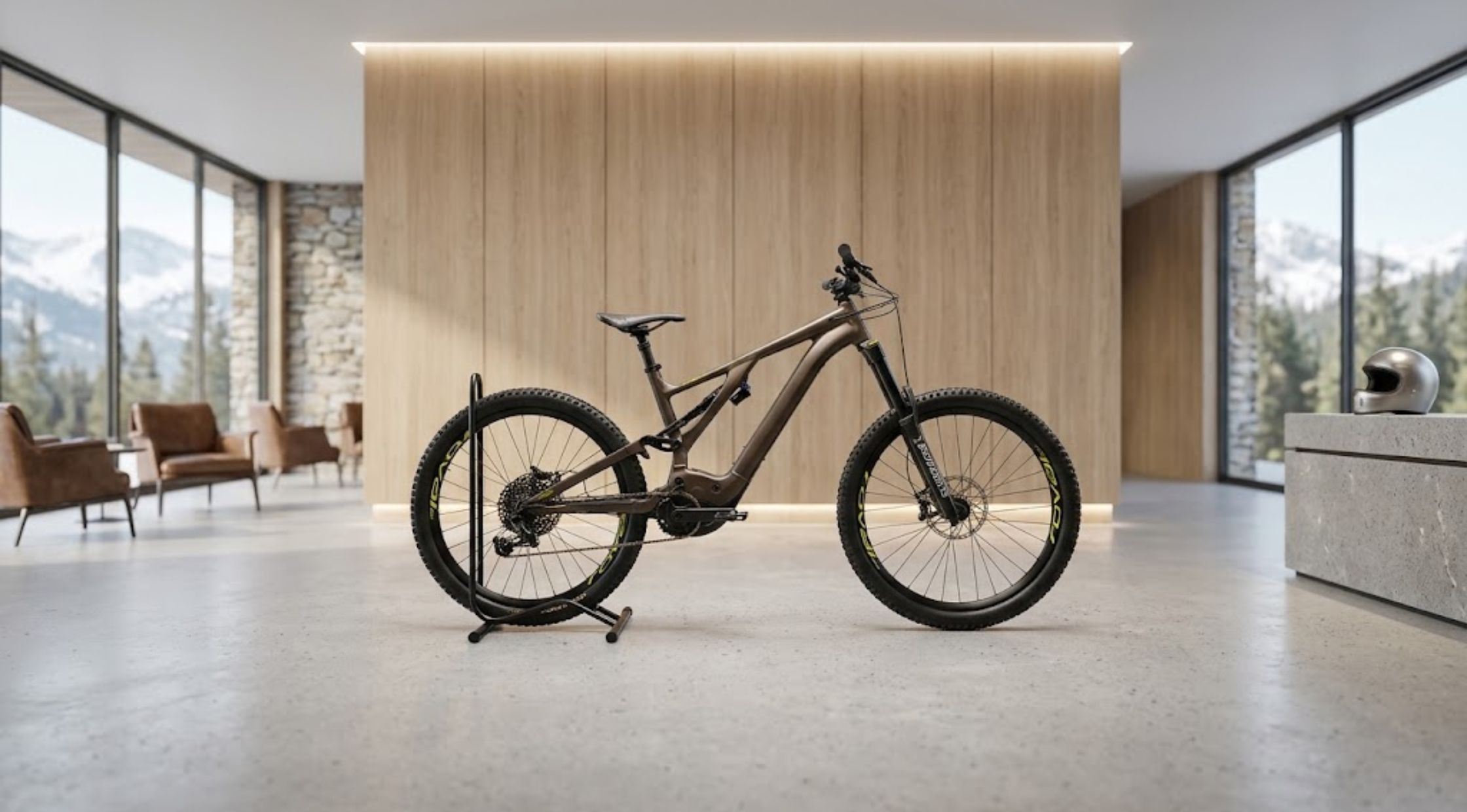
Choosing between an Electric Bike and traditional Mountain Bikes can be particularly confusing when both seem capable of delivering an exciting riding experience.
Have you ever wanted to enjoy longer bike rides, explore scenic trails, or make your daily commute easier, only to feel overwhelmed by the number of bikes available? Choosing between an Electric Bike and traditional Mountain Bikes can be particularly confusing when both seem capable of delivering an exciting riding experience.
The right choice depends on more than appearance or price. Your fitness level, preferred terrain, riding distance, maintenance budget, and intended use all play a role. A bike that works brilliantly for weekend trail adventures may not be the most practical option for commuting, while a powerful electric model may be unnecessary for someone who enjoys challenging climbs under their own power.
Understanding these differences will help you invest in a bike that suits your needs and delivers lasting value.
Common Problems When Choosing a Bike
Before comparing models, consider the frustrations that often lead buyers to choose the wrong bike.
Getting Tired on Longer Rides
Traditional cycling requires consistent physical effort, especially when riding uphill or travelling long distances. Beginners may find steep climbs intimidating, while regular cyclists might struggle to fit demanding rides into a busy schedule.
An Electric Bike can help reduce the effort required by providing motor assistance when pedalling. However, battery range, motor performance, and terrain still influence how far you can travel.
Buying a Bike That Cannot Handle Your Terrain
Not every bike is designed for every surface. Smooth roads, gravel paths, woodland trails, and rocky tracks create different demands.
Some riders purchase a bike based on its appearance, only to discover that its tyres, suspension, or frame geometry are unsuitable for their favourite routes. Understanding where you will ride most often is essential before making a decision.
Spending More Than Necessary
A higher price does not automatically mean a better bike for your situation. Premium components, advanced suspension, lightweight materials, and electric assistance can all increase the cost.
The challenge is identifying which features genuinely improve your experience rather than paying for capabilities you rarely use.
Electric Bike vs. Mountain Bikes: Understanding the Difference
Both options offer distinct advantages, but they are designed around different priorities.
How an Electric Bike Works
An Electric Bike uses a battery-powered motor to assist your pedalling. Depending on the model, you can select different assistance levels to balance effort, speed, and battery consumption.
This assistance can be useful for commuting, longer recreational rides, and routes with frequent hills. Some electric bikes are also designed specifically for off-road riding, combining motor assistance with features suited to uneven terrain.
However, electric models are generally heavier than comparable non-electric bikes, and batteries require charging and eventual replacement.
What Makes Mountain Bikes Different?
Traditional Mountain Bikes are built for uneven surfaces and off-road conditions. Depending on their design, they may feature wider tyres, durable frames, suspension systems, and geometry intended to improve stability and control on trails.
Hardtail models usually have front suspension, while full-suspension bikes have suspension at both the front and rear. The right setup depends on the terrain and the level of technical riding you intend to do.
Traditional mountain bikes also allow you to enjoy the physical challenge of cycling without relying on a motor or battery.
It is worth remembering that electric mountain bikes combine these two categories. They offer trail-focused components with pedal assistance, so you do not necessarily have to choose between off-road capability and motor support.
How to Choose the Right Bike for Your Needs
Instead of focusing on individual specifications first, begin with your daily routine and riding goals.
1. Consider Where You Will Ride
If most of your journeys involve paved roads, cycle paths, and commuting routes, look for a bike designed for those surfaces. A hybrid or commuter electric bike may be more practical than a specialist mountain bike.
If you regularly ride forest trails, rocky paths, or uneven ground, prioritise suitable tyres, braking performance, frame geometry, and suspension.
For riders who want off-road adventures but prefer additional support on climbs, an electric mountain bike may offer a useful combination.
2. Think About Distance and Fitness
Consider how far you typically ride and how much physical effort you want to expend.
An Electric Bike can make longer journeys more manageable, particularly when you encounter hills or need to arrive at your destination without excessive exertion. Nevertheless, check the manufacturer's estimated battery range and remember that rider weight, terrain, weather, and assistance settings can affect actual performance.
Traditional Mountain Bikes may be a better fit if you enjoy building fitness, developing riding skills, and keeping your equipment relatively simple.
3. Set a Realistic Budget
Your purchase budget should include more than the bike itself. Consider a helmet, lights, a lock, suitable clothing, maintenance, and any accessories you need.
For electric models, also account for charging equipment and possible future battery replacement. For mountain bikes, consider tyre wear, brake servicing, suspension maintenance, and replacement components.
A carefully chosen mid-range bike may deliver better value than an expensive model with features that do not match your riding habits.
4. Check Fit and Comfort
Frame size, handlebar position, saddle height, and riding posture all influence comfort. A bike that is too large or too small can make handling difficult and cause discomfort on longer journeys.
Whenever possible, test ride the bike or consult the manufacturer's sizing guidance. Check that you can control the brakes comfortably and feel confident mounting, dismounting, and turning.
Why a Quality Bike Can Be a Smarter Investment
Once you understand your requirements, investing in a well-matched model can make everyday cycling more enjoyable.
A quality Electric Bike may provide consistent assistance, practical battery capacity, dependable braking, and components suited to your intended journeys. For regular commuters, these features can make cycling a more appealing alternative to driving for suitable trips.
Similarly, quality Mountain Bikes can offer improved control, durable construction, and components better suited to demanding terrain. Appropriate suspension and tyres can contribute to a more controlled ride, although technique and trail conditions remain important.
My Next Bike UK is worth exploring when comparing available bikes and looking for an option that matches your budget and intended use. Comparing specifications, condition, and overall value can help you narrow your choices before committing to a purchase.
Benefits of Choosing the Right Bike
The right bike can offer benefits that extend beyond the ride itself.
More enjoyable journeys: Suitable gearing, fit, and components can make riding more comfortable.
Greater versatility: A bike matched to your routes can support commuting, exercise, or weekend adventures.
Better value over time: Buying the right type from the beginning may reduce the likelihood of needing an early replacement.
More confidence: Choosing equipment appropriate for your experience and terrain can help you develop riding skills.
A routine that suits your lifestyle: Electric assistance or traditional pedalling can make cycling easier to incorporate into your schedule.
My Next Bike UK can be one place to compare potential options, but take time to evaluate each model's features, condition, warranty, and suitability rather than choosing on price alone.
Conclusion: Find the Bike That Fits Your Life
Choosing between an Electric Bike and traditional Mountain Bikes becomes much easier when you start with your own needs. Think about your usual routes, preferred riding effort, budget, and the features that will make the biggest difference to your experience.
If you want assistance on hills and longer journeys, an electric model may be a practical choice. If you prefer technical trails, physical challenges, and a simpler setup, a traditional mountain bike could be the better fit. An electric mountain bike is another option if you want off-road capability with additional pedalling support.
Explore the available options through My Next Bike UK, compare specifications carefully, and prioritise fit, safety, and long-term value. With a little research, you can choose a bike that makes every journey feel more rewarding.
live smarter
Shop smarter, live better, and stay ahead of the trends with our reliable recommendations!
Home and Garden
8 min read
Shed Foundation Gravel Base vs Concrete Slab for Shed: How to Choose the Right Shed Base




trending
Home and Garden
7 min read
How Custom Curtains and Blackout Curtains Can Transform Your Home
Fashion
7 min read
How to Choose Women’s Dresses and Clothing That Make Getting Dressed Easier
Travel
7 min read
How to Plan the Perfect Getaway: Colorado Hiking, Costa del Sol, and a New York Itinerary
Health and Beauty
6 min read
How to Choose the Right Beauty Treatments for a Natural, Radiant Look
Fitness and Sports
6 min read
How to Choose a UL 2849 Certified E-Bike for Safer, Smarter Riding
Gadgets and Tech
7 min read